Yesterday marked the conclusion of a tumultuous and busy legislative session, and, with over 700 bills introduced this year, our Alliance sure had its hands full! Looming over the entirety of this year’s legislative action was the massive $1.2 billion budget deficit the state was legally required to balance due to the Taxpayer’s Bill of Rights (TABOR). Many important programs were cut, including health care, education, and more, and many bills that were run seeking to improve Coloradans lives died in committee or on the floor simply because there were no funds to support them.
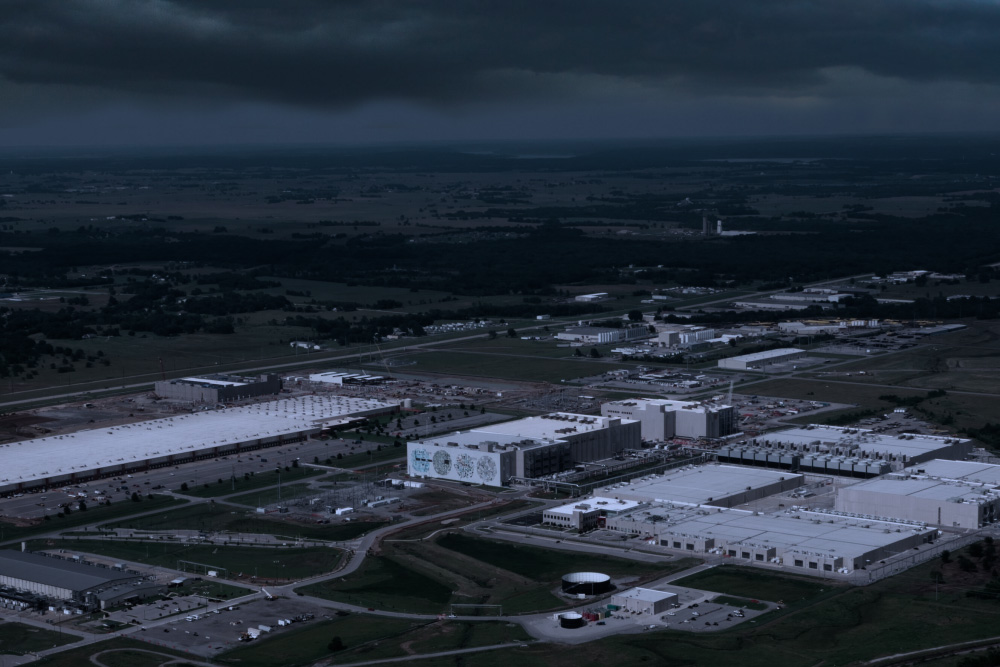
One of the biggest items facing legislators this session was the issue of data centers. All across the country, data centers have been one of the most pressing issues facing state governments and we have had enough time now to see the implications data centers have on local communities. For three years, Colorado has attempted to craft a set of rules regarding data centers and come up empty-handed.
There are two main viewpoints regarding data centers: The first is that data centers are a necessary part of modern life and companies should be encouraged to build them in our state at all costs to not be left behind, and the second is that data centers are a major threat to our communities and pose an existential threat to our energy systems, land, air, water, jobs, and neighborhoods, and need to be handled with extreme caution. These two views were demonstrated in crystal-clear form in the 2026 legislative session.
HB26-1030 Data Center and Utility Modernization was the perfect representation of the first view; that data centers should be welcomed into our state with open arms. This bill offered incentives such as a 100% tax break for up to 20 years, ill-defined requirements for where they will get their energy or from what sources, no requirements to pay for infrastructure upgrades themselves opening the door to socialized costs with privatized revenues, loosely defined water and environmental plans, and all of these rules would only apply to data centers seeking to be “certified” meaning any that did not seek the tax breaks would not need to follow any of the already poorly laid out restrictions. We have seen what bills like this have done in other states, and it is not a pretty picture.
This bill was introduced in just the second week of the legislative session back in January, and immediately drew the attention of our Alliance along with a coalition of groups who recognized the threat it posed. We organized testimony, wrote letters to the editor, and contacted representatives asking them to vote this bill down. Facing these pressures, the pro-data center lobby had to delay bringing their bill up for a vote until the second-to-last week of the legislative session where, recognizing it had no path forward, it was postponed indefinitely. This tactic was used to ensure the bill was not voted down publicly and so it can be brought back for the 2027 legislative session.
SB26-102 Large-Load Data Centers was the answer to HB26-1030 and was introduced just two weeks later, representing the second view on the data center issue; that data centers are a major threat to our energy systems, land, air, water, jobs, and neighborhoods and need to be handled with extreme caution. This bill mandated a set of much stricter and well-defined requirements for data centers, such as setting water use limits, mandating water consumption plans before approval and that they must hold at least 2 public community input meetings, applying mandatory clean energy requirements, ensuring low-income or disproportionately impacted communities will not be taken advantage of, and requiring that data centers must not impact the cost of energy for the communities in which they are built, among several other important restrictions and guidelines.
Just as we had taken action to oppose HB26-1030, we lobbied, contacted our representatives, testified in committees, and wrote letters to the editor supporting this reasoned take on data centers in the hope that we could finally get guardrails in place against billionaire companies taking advantage of our state. Alas, this bill, like HB26-1030, was not to pass. Facing a major time crunch, dense bill language, and the budget deficit, SB26-102 was also postponed indefinitely just two days before the end of session before facing a vote on the floor, meaning it too will likely come back in 2027.
These bills on data centers show that Colorado is taking the issue seriously. We want to get this issue right the first time, unlike so many other states who are now trying to undo past legislation on data centers that has driven up energy costs, decreased water supply, damaged neighborhoods, and given tax breaks to multi-billion dollar corporations at a time of budget crises and slashed government programs. The failure to pass SB26-102 this year is disheartening, but this fight is not over.
Our Alliance will be spending the intervening time until the 2027 legislative session preparing to see a bill like SB26-102 succeed, organizing communities to oppose data center giveaways that will steal our water at a time of major drought, that will drive up our energy costs at a time of financial pain, and that will pay no taxes at a time of budget deficit and slashed social programs.
Please join us in this fight! We need your involvement now more than ever and you can get in on the ground floor ahead of the 2027 legislative session to help champion data center restrictions and ensure Colorado doesn’t go down the same path as many other states now struggling to put this genie back in the bottle.