Summary
The students of West Slope Youth Voice submitted questions to all candidates for the Colorado District 51 School Board. The students received replies from three candidates. Here are those candidates and their answers.
The students of West Slope Youth Voice have worked hard to build relationships with local school board candidates, and we are happy to see the candidates’ dedication to listening to and engaging with the students they are running to serve and represent.
This year, the students of West Slope Youth Voice submitted questions to all candidates for the Colorado District 51 School Board. These questions came from real concerns, stories, and desire felt by students across our district and focused on issues such as mental health, teacher/student collaboration, health, and safety.
District 51 Candidates Who Responded

Mike Rathbone
District C Candidate
Mike Rathbone is running for the District C seat on the Mesa County Valley School District Board of Education. His opponent is incumbent Andrea Haitz.
Rathbone is a Central High School graduate and U.S. Army veteran who recently retired from Veterans Affairs. He’s engaged to a D51 teacher and has four kids who all attended D51 schools. He spends much of his free time as a youth hockey coach at River City Sportplex.
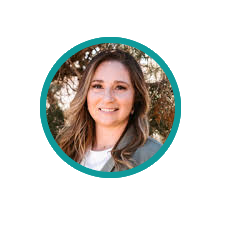
Kaci Cole
District D Candidate
Kaci Cole is a former educator, an active community member, and a passionate mom.
She has held numerous leadership positions throughout her teaching career and continues to maintain leadership roles in her current occupation as well. She believes that people come first and that service to the community is paramount.

Vicki Woods
District E Candidate
Vicki Woods is a retired educator who spent three decades in District 51. She taught in Fruita and Clifton and later became a district leader supporting schools across the valley to meet the needs of students with disabilities. She would go on to serve as the principal at Orchard Avenue Elementary School.
She and her husband raised two children who graduated from D51 schools. She later became a master gardener with the Colorado State University Extension Office.
The Questions and Answers
There have been several cases of teacher misconduct with students across the valley, including at Grand Junction High School, Caprock Academy, and Palisade High School, to name a few. In one case, misconduct was allowed to continue for 14 years after the first student reported an issue. What would you do to protect students from future incidents and create a better avenue for cases to be reported and acted upon?
Mike Rathbone: Protecting students and promoting safety is paramount to being able to properly access a high quality education. I would like to promote a more thorough vetting process and look into districts who have implemented better measures that we can learn from. Background checks should not be just a one and done check at the time of hire. As a district, we have to follow up on reported incidents until a resolution is reached and this is something I can do on the board. I will treat all reports with the utmost importance and continue following up until resolved.
Kaci Cole: Teacher to Student misconduct should be taken seriously and be acted upon immediately. We currently have a policy on misconduct with students; however, if students or families do not fully understand the process or feel as though they will face repercussions if they file a grievance or complaint, the policy does not help. It is our duty, as leaders, to ensure our students feel safe in their buildings by ensuring students, families, and staff know their rights and they are supported in exercising them.
Vicki Woods: I would expect clear, immediate, and transparent systems that protect students while ensuring that all allegations are taken seriously. As a Title IX Investigator in 2024, I know first-hand the measures in place to ensure student safety through investigation as long as reporting happens. In all schools, there needs to be: 1) adequate oversight and supervision of staff in all school settings; 2) clear systems of reporting for both adults and students; and 3) providing students with the skills and resources to access help. Board priorities should include district-wide audit of safety and reporting procedures, annual training for all staff, including anyone volunteering or in substitute positions in our schools, transparent communication with families when incidents occur, within legal parameters, and fostering a culture of vigilance and trust by letting every student and adult know that reporting is safe, taken seriously, and supported through investigations.
Western Colorado has one of the highest incidences of youth-suicides in the nation, an issue our valley has been plagued with for a long time, along with an increase in mental health problems more generally post-COVID. It is well understood that mental health concerns are a major factor in student success in our schools. What would you do as a school board member to improve student mental health outcomes?
Mike Rathbone: As a school board member, I would work to promote a climate that supports the whole student –mental health is a significant portion of the whole student. I would like to continue to build the relationships and supporting agencies within the community to help students when they are in need of deeper support, and continue to build in foundational mental wellness instruction in our schools (perseverance, coping skills, stress management, etc.). I would like to see our district become a model with expanding the offerings of our wellness clinics in more schools so that all students and families can have access to these valuable programs. As a community, we need to work to negate the negative stigma of mental wellness and I have the ability to take on this initiative if elected.
Kaci Cole: Mental health is a major concern. As leaders, we need to research root causes and implement resources and programs that aim to alleviate these concerns. Options like the School Based Health Clinics where students can access affordable health care and services without waiting for an appointment or missing school. We do also need to look deeper into where student mental health begins to decline. In the younger years, we know free play is essential for social emotional learning and cognitive and physical development. As a Board Member, I will work to expand recess and free play in our younger students in order to be proactive in our children’s mental health. Finally, we need more trauma-informed resources within our schools and classrooms so our students who may not be supported at home, can be supported at school.
Vicki Woods: I have been a champion of our children’s mental health throughout my career as an educator. In Mesa County, many factors contribute to mental-health concerns among students — family stress caused by economic hardship, difficulty accessing services, a shortage of youth programs where kids can connect and belong, and the growing influence of social media as a second social world. As a School Board member, I will work closely with families and community agencies that provide essential support to students. I will advocate to prioritize training for teachers and staff to identify and respond to mental-health needs early. Establishing a focus on student wellness as equally important as academic success begins with the school board.
Recently, there have been concerns surrounding teacher’s autonomy to speak openly to students about mental health, with the most recent being a teacher’s resignation after being told they could not speak to students about a former classmate’s death by suicide. What would you do to ensure the protection of teachers’ role as a trusted adult, while ensuring the transparency of administration when dealing with these sensitive topics?
Mike Rathbone: Within the limits of policy/laws, teachers should have autonomy to run their classrooms and build meaningful relationships with students as trusted adults. That being said, too often, challenging topics are kept behind closed doors outside of the bounds of legal requirements. I would like to see nothing but absolute transparency within the legal limitations, not only from the board, but all aspects of the public school systems, because we as a community need to be a part of these tough conversations. We know that trusted adults are a key component to building connections in the school, and this aligns with the district’s strategic plan of fostering a strong sense of belonging. Having a trusted adult in school doesn’t make them above reproach; we need to honor transparency and accurate communication so that there is no room for misinterpretation or miscommunication.
Kaci Cole: Teachers often serve as trusted adults whom students turn to first, and we must protect that role. As a former classroom teacher, I know how tight-knit a classroom can become and being told how and when you can talk to your students about the tragedy can feel like an extra wound. At the same time, administrators have a responsibility to ensure communication is handled thoughtfully and in line with best practices for student safety and privacy. When tragedy occurs, many external roles and responsibilities must also be respected. A clear, compassionate plan and procedure for how and when educators engage with students on sensitive topics is essential. I would advocate for transparent, collaborative communication protocols, developed with teacher input, so everyone understands what can be shared, how to respond to students, and where to direct them for further help. When educators feel informed and trusted, and families see transparency from leadership, our entire community is better equipped to support students’ mental health and well-being.
Vicki Woods: Although I am not aware of these specific situations, I am deeply saddened to hear that teachers may feel compelled to leave the profession because they care about kids. As a former educator, I have seen how the growing scrutiny over what and how teachers teach — and the erosion of trust in public education — adds tremendous stress to an already demanding profession. A culture of respect and support for our teachers must start at the school board level. I will advocate for district and school leadership to provide clear expectations and professional training around sensitive issues, so teachers feel confident and supported in caring for students. As a School Board member, I will stand with our teachers and ensure they have the tools, guidance, and backing to create welcoming, safe environments that prioritize student well-being in every situation.
A large number of School District 51 students are at risk of not having three meals a day, and over 700 kids in School District 51 are considered homeless. What would you do to support students experiencing or at risk of homelessness?
Mike Rathbone: Homelessness is a timely question with the unfortunate announcement of decreased funding for our homeless shelters. As a district, we should continue to support students through the McKinney Vento Act and work to connect students and families experiencing housing instability with the resources we have available who are equipped to support housing challenges. As a whole, our district needs to work towards elevating our community to support our schools. Rebuilding trust and elevating these partnerships is paramount to the longevity and success of our public school system.
Kaci Cole: We can support programs like Healthy Meals for All and strengthen connections with local partners and businesses to help meet students’ basic needs without overburdening schools or teachers. Partnering with Homeward Bound, Hilltop, and other nonprofit organizations that have the resources and expertise to support unhoused students is essential. As a board member, I would ensure our district leaders prioritize a school’s function as effective hubs for connecting families to community resources. Just as importantly, communication about these supports must be accessible and equitable so families know what’s available without fear of stigma or red tape.
Vicki Woods: As a School Board member, I will always advocate for strong partnerships with community organizations to connect families to housing, food, and stability. I will always be in support of school-based food programs, including breakfast and weekend backpack meal programs, so students have consistent nutrition beyond the school day. District 51will continue to identify and support students through the McKinney-Vento Homeless Assistance Act, ensuring access to transportation, counseling, and educational stability. A hallmark of public education is the opportunity our schools provide as community centers for these important conversations — places where students are present and families in need can access critical support and connection.
The Grand Valley is home to many Spanish speakers, and great bilingual programs like the one at Dual Immersion Academy. How would you further support bilingual programs in schools?
Mike Rathbone: Being bilingual is an asset to our diverse community and country as a whole. All students should leave our school systems prepared for success in whatever life holds beyond the finish line, and having multilingual graduates is no exception to that success. I’d like to see more options being offered to students to learn foreign languages earlier on in their career, which requires investing in our educators to provide these opportunities. Over 20 European nations are beginning to teach a foreign language to their students between the ages of six and nine. We are behind on that in this district and I’d like to see that changed by promoting the power of learning in multiple languages.
Kaci Cole: The Grand Valley’s bilingual community is a tremendous asset, and programs like Dual Immersion Academy show what’s possible when we view language as a bridge, not a barrier. I’d like to see programs like this replicated across the district and expanded through high school. With such a large population of native Spanish speakers, we must prioritize language access and equity. Despite growth in recent years, our achievement gap for native Spanish speaking students remains wide. If our goal is achievement and growth for all students, we must set goals that specifically address the needs of our Spanish-speaking community. Immersion is the best tool for language acquisition, but only with adequate support. Students need to see themselves reflected in their teachers and curriculum, so prioritizing and recruiting more bilingual educators and curriculum resources is essential if we want continued growth and achievement. We should invest in proven programs and replicate them where possible, not just to raise scores, but because our mission is to educate every child to become a successful, contributing citizen.
Vicki Woods: This topic is central to my campaign — a vision for what a top-performing district can truly look like. It connects directly to the importance of school choice and ensuring every family has access to options that meet their students’ needs. For our bilingual families, the opportunity to learn and build community with others who share language and culture is powerful. Schools that embrace and celebrate multilingual learning strengthen not only student wellness and belonging, but also academic achievement. When students see themselves and their families reflected in their school experience, their confidence and their performance will grow. This focus also shines a light on the long-standing achievement gaps that have affected our schools and minority populations for far too long. As a School Board member, I will advocate for dynamic, innovative, and inclusive school options that serve all families — from multilingual and STEM programs to arts and career-focused pathways. Every family deserves access to schools that inspire learning and reflect the richness of our community.
School safety is a major concern among students. What would you do to improve the feeling of safety in schools?
Mike Rathbone: Safety is a broad term, so I would like to start with having our students define what they feel is or is not safe and what they feel contributes to that. Mental health plays a part in safety as well and I’d like to see more being done in supporting the mental wellbeing of our students. I’d like to know what training our D51 security teams go through and see where they can be improved upon to promote safer environments. There are so many opportunities to learn from other large systems on creating a safe environment that do not rely on fencing off properties, resembling prisons, and I want to build a culture of preparedness that helps students and parents trust they are safe in our school walls.
Kaci Cole: Safety in the classroom is one of our most important responsibilities. Our students are telling us they don’t feel safe, and we must understand and address the root causes. That requires collaborative work among students, parents, educators, and district leaders to find meaningful solutions. We should actively engage with educators when they raise policy or contract concerns that affect classroom safety. Collaboration shows that leadership cares and is committed to solutions. When people feel included and heard, they feel safer and more secure. Finally, ensuring access to counselors, crisis teams, and trauma-informed practices helps support students in distress. Without these supports, unsafe behaviors and disruptions are more likely to occur. It’s our responsibility to advocate for and secure funding for these essential resources.
Vicki Woods: Students feeling safe at school is the foundation for learning. As a former principal, I understand that students feeling safe is about relationships, consistent and clear expectations, and trust. Students should know that adults in their schools care about them, listen to them, and will respond when concerns arise. I will advocate for a strong school climate and discipline systems; mental health and behavior support with every child being able to identify a trusted adult at school; safety training and systems in place at every school to respond to emergencies; and strong partnerships with local law enforcement and community agencies. True safety starts with prevention, trust, and relationships. As a board member, I will make student safety — in every sense — a top priority.
School curriculums have become a hot button topic across the nation. What gaps do you see in the curriculum, if any, and how would you change it if you do see gaps or problems with it?
Mike Rathbone: I feel that curriculums should teach what is important and needed for our students, extending beyond the requirements of the state level. History, math, writing, reading, and arts are important for student success – but all the politics that have played into our education system has ruined it. We need to remove all political agendas passed off as a better curriculum and get back to the important things that actually help our students become independent people who can think for themselves as opposed to regurgitating information. As a community member with a diverse background, I see the potential with our graduation requirements extending beyond the minimum requirements.
Kaci Cole: The Curriculum Resource Governance Committee and our district specialists work diligently to ensure students have access to high-quality, accurate, and research-based resources. The primary gaps we face stem from a lack of funding with many of our textbooks and materials being outdated. Thanks to the 2017 Mill Levy Override, the district has been able to adopt more current curriculum, but there’s still work to do. Much of the controversy today centers on what is taught, yet board members are bound by state standards. Our influence lies in determining how those standards are taught. We must advocate for comprehensive, accurate instruction that prepares students for success in a diverse world. As stewards of the future, we have a duty to ensure every student gains deep knowledge, critical thinking skills, and an understanding of the world they’ll inherit.
Vicki Woods: Curriculum is the organized plan developed by a school district and adopted by the School Board to ensure the Colorado Academic Standards are met across every grade level. These standards cover reading, writing, math, science, civics, music, physical education, and much more. In fact, Colorado’s standards are so extensive that teachers often face the challenge of covering every standard within a single school year. An important area of learning that is often overlooked is the teaching of social and emotional skills — sometimes called “soft skills” in professional industries. These include resolving conflicts, working in teams, managing emotions, and communicating effectively. These are the very skills that help students succeed not only in school but in the workplace and in life.
Our student survey finds that nearly 35% of students have no intention of staying in the Grand Valley upon graduating, and another 53% are unsure. Do you feel the School Board has any role in that opinion and how would you work to improve student’s experience as community members?
Mike Rathbone: We are privileged to live in a country full of diverse cultures that vary across our vast landscape. Unlike smaller countries, we do not have to have a passport to experience a vastly different lifestyle. Though we love to see strong roots in our community, the School Board should be proud that we have graduates who feel prepared to take on the challenge of settling in new communities. The fact that our students want to spread their wings and take what they have learned here to a new place only means that we are preparing diverse graduates.
Kaci Cole: When students say they don’t plan to stay in the Grand Valley, they’re thinking about more than jobs. They’re thinking about opportunity, well-being, and belonging. The School Board can help influence that by partnering with students to generate real solutions, rather than assuming what adults think they need. This includes policies that strengthen career and technical pathways and partnerships that help students envision their future here. We also have a role in supporting mental health and access to affordable healthcare through school-based programs and community collaboration. When students feel valued, supported, and invested in, they’re far more likely to stay and help our community thrive.
Vicki Woods: I believe our schools play a central role in shaping the perceptions and confidence of our young adults. One of the primary responsibilities of a public school system is to ensure that all students are academically prepared students who have the technical and professional skills needed for success in their chosen careers. As both a parent and an educator, I understand our collective role in helping students — beginning in elementary school — look toward their futures. This includes career exploration, identifying personal interests and strengths, and understanding their individual potential. From there, schools must help students see the connection between their learning and the opportunities available to them: the career pathways, technical trades, or college options that exist both within our community and beyond it.
How would you make sure that students who are interested in pursuing the trades have the same guidance and opportunities that those who are pursuing college education do?
Mike Rathbone: Trade schools are a phenomenal asset to modern society and I’ve attended a handful of them myself. Trades are unfortunately commonly overlooked because they aren’t glamorous. District 51 has done a great job building connections in our community with the MC3 program, CMU Tech programs, and Work Based Learning educators. I’d like to continue to bolster community relationships to increase internships, on the job training, and apprenticeships for our D51 students in alignment with their individual postsecondary goals.
Kaci Cole: Every student deserves access to guidance and opportunities that align with their goals and talents, whether that’s college, the military, or the trades. Too often, our systems celebrate four-year college pathways while overlooking the strong, stable careers available through technical education. As a board member, I would strengthen partnerships with local trade programs and businesses, starting as early as elementary school so students can see these opportunities early. It’s also important that counselors are trained to guide students through those pathways with the same enthusiasm as college planning. Expanding career and technical education in high schools and celebrating those successes equally shows students that all forms of success are valuable and that our community needs every one of them.
Vicki Woods: I believe our schools play a central role in shaping the perceptions and confidence of our young adults. One of the primary responsibilities of a public school system is to ensure that all students are academically prepared students who have the technical and professional skills needed for success in their chosen careers. As both a parent and an educator, I understand our collective role in helping students — beginning in elementary school — look toward their futures. This includes career exploration, identifying personal interests and strengths, and understanding their individual potential. From there, schools must help students see the connection between their learning and the opportunities available to them: the career pathways, technical trades, or college options that exist both within our community and beyond it.
What steps would you take to promote environmental responsibility and sustainability, both in education and practice in School District 51 schools?
Mike Rathbone: D51 has some great practices in place in regard to being green — I know my children have had powerful learning opportunities about environmental impacts in their schools. Elevating the partnership with Mesa County Landfill to educate students on how waste is handled and what actions they can take to reduce waste is a powerful conversation at every age. In construction and remodeling contracts, we should be looking for leaders in environmental responsibility and evaluating long term plans for the impact our district has on the community as a whole. Technology has also allowed for a reduced paper waste, so investing in high quality programs that protect our information systems while reducing duplicated printing is crucial.
Kaci Cole: Environmental responsibility is about teaching students how their daily choices impact the world around them. As a board member, I would encourage our district and school leaders to adopt sustainability practices that double as learning opportunities. Such as student-led garden programs, energy conservation projects, and partnerships with local environmental organizations. District-wide, we can improve efficiency in our facilities, reduce waste, and invest in long-term, cost-saving measures like renewable energy. When students see their schools modeling environmental stewardship, they learn that sustainability is part of being an engaged, responsible community member.
Vicki Woods: District 51 participates in the Energy Star program, which examines all aspects of a building’s energy usage. Major building components, facility operations, and activity scheduling are analyzed to reduce annual energy costs and improve overall efficiency. One of the district’s ongoing challenges is the age of our school buildings. As our community continues to support new construction and renovation, energy efficiency and sustainability is a priority. These improvements not only reduce costs but also create safer, healthier learning environments. These values are reflected through the Colorado Academic Standards in our classrooms: understanding energy systems and resources; human–environment interactions and impacts; and developing responsible, solution-oriented citizens who can make informed choices about environmental and economic sustainability.
The candidates were asked to respond to the following questions with a simple “Yes” or “No.”
Do You feel it is important to have local, sustainable food in our schools?
Mike Rathbone: Yes, with all the unknowns in processed foods, locally sourced is going to be better for our students.
Kaci Cole: Yes.
Vicki Woods: Yes.
Do you support programs that help ensure every student has access to free meals?
Mike Rathbone: Yes, if you are not completely focused because you are hungry, you’re not getting the high quality education you have been promised.
Kaci Cole: Yes.
Vicki Woods: Yes, for those students who need them.
Would you be in support of putting free menstrual products in schools?
Mike Rathbone: Yes, these products are hygienic products, same as toilet paper or paper towels in my opinion.
Kaci Cole: Yes.
Vicki Woods: Yes.
Would you support the implementation of any future school-based health centers, like the one at Grand Junction High School and Central High School?
Mike Rathbone: Yes, so long as the partnerships with the community and PrimeHealth Plus (formerly MarillacHealth) can be sustained.
Kaci Cole: Yes.
Vicki Woods: Yes.
Do you support increasing funding for greater mental health resources in schools?
Mike Rathbone: Yes, I would love to see those programs grow, as the whole student includes mental health.
Kaci Cole: Yes.
Vicki Woods: Yes to mental health resources; no to increasing funding.
Do you believe comprehensive sex education belongs in schools?
Mike Rathbone: Yes, so long as they remain age-appropriate and have a biological basis.
Kaci Cole: Yes.
Vicki Woods: Unsure what “comprehensive” means.
Do you believe mental health education should be taught in schools?
Mike Rathbone: [Unanswered]
Kaci Cole: Yes.
Vicki Woods: Unsure what “mental health education” means; yes to social-emotional learning or character education.
Do you support the banning of books in schools?
Mike Rathbone: No, I don’t believe in banning. I believe parents should be involved in conversations with their child about what boundaries their family values have around literature.
Kaci Cole: No.
Vicki Woods: No.
Do you think it is important to teach history from multiple perspectives, especially minority perspectives?
Mike Rathbone: Yes, history is written by the victor. I think teaching only one side of anything is a grave misjustice to education.
Kaci Cole: Yes.
Vicki Woods: Yes.
Do you believe in the separation of religion and schools?
Mike Rathbone: Yes, our founding fathers wrote it in the Constitution, and I couldn’t agree more.
Kaci Cole: Yes.
Vicki Woods: Yes.
Do you believe all schools in the district currently receive equitable resources and funding?
Mike Rathbone: No, we are severely underfunded as a district.
Kaci Cole: Unsure.
Vicki Woods: Unsure.
Do you support future school closures to make up for the budget shortfall?
Mike Rathbone: No, I’d never want to close a school, especially when we are losing families to other educational models.
Kaci Cole: This is not a question that can be answered in yes or no, unfortunately.
Vicki Woods: This is more than a yes or no answer.
Do you believe the district is doing enough to support and retain quality teachers?
Mike Rathbone: No, the lack of follow-through with steps-and-lanes shows otherwise.
Kaci Cole: Not fully.
Vicki Woods: No.
Would you support the adaptation curriculum to meet students’ individual cultural and communal needs?
Mike Rathbone: No, public schools should not modify standards and curriculum for cultural and communal needs; private schools address those adaptations.
Kaci Cole: I am unsure if I understand the intent of this question. My answer is likely “yes” since I believe students deserve an individualized education, however, I also believe that all students should be taught the same standards and content with accommodations that serve them in understanding the content and standards.
Vicki Woods: Unsure what this question is asking
Do you believe schools should adopt policies that explicitly protect LGBTQ+ students and staff from discrimination?
Mike Rathbone: No, Federal, State, and D51 already have policies and laws pertaining to anti-discriminatory acts. Any school needing additional policies is in violation of the aforementioned.
Kaci Cole: Yes, it is state law.
Vicki Woods: Yes, that policy is in place.